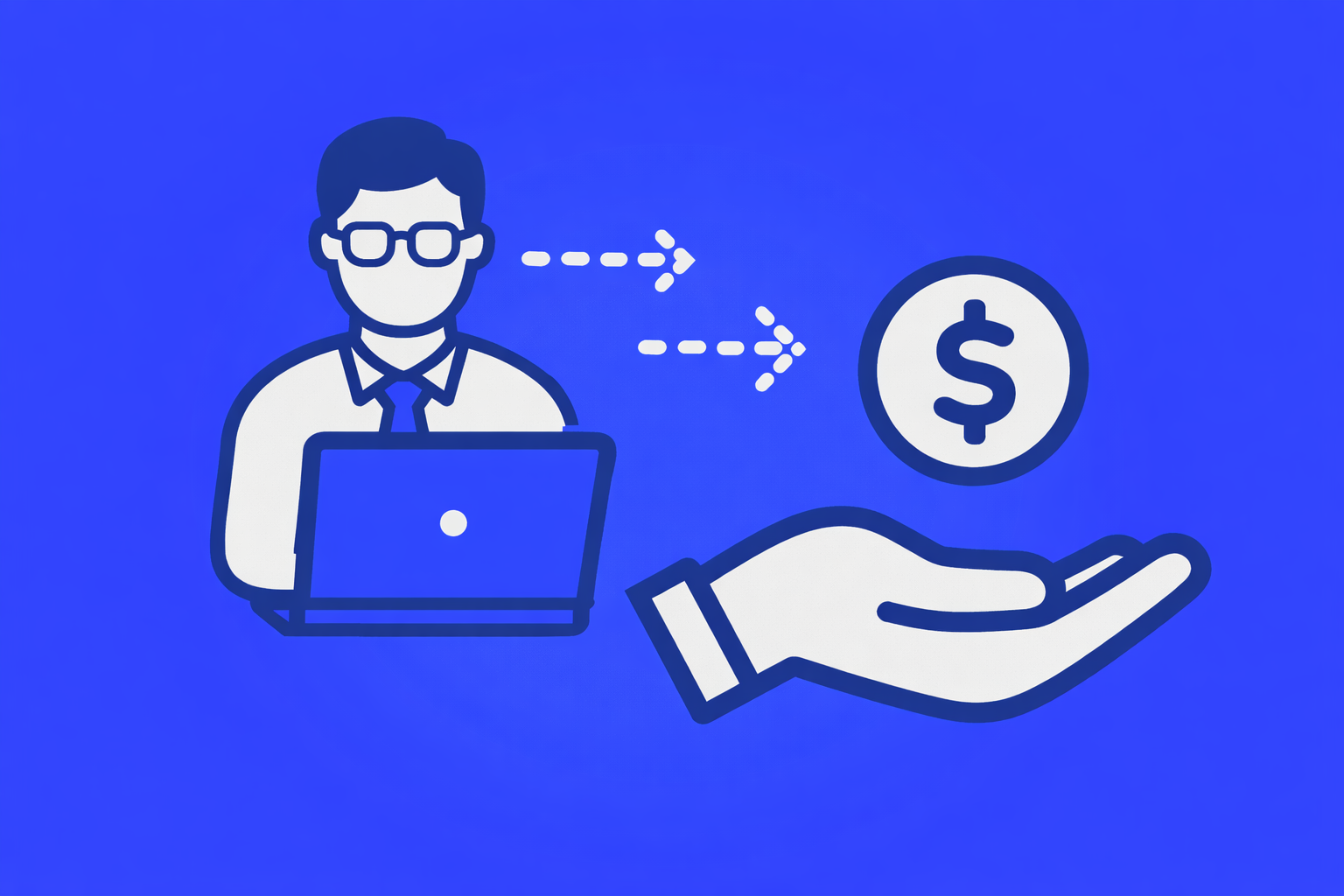
What Is Cashback?

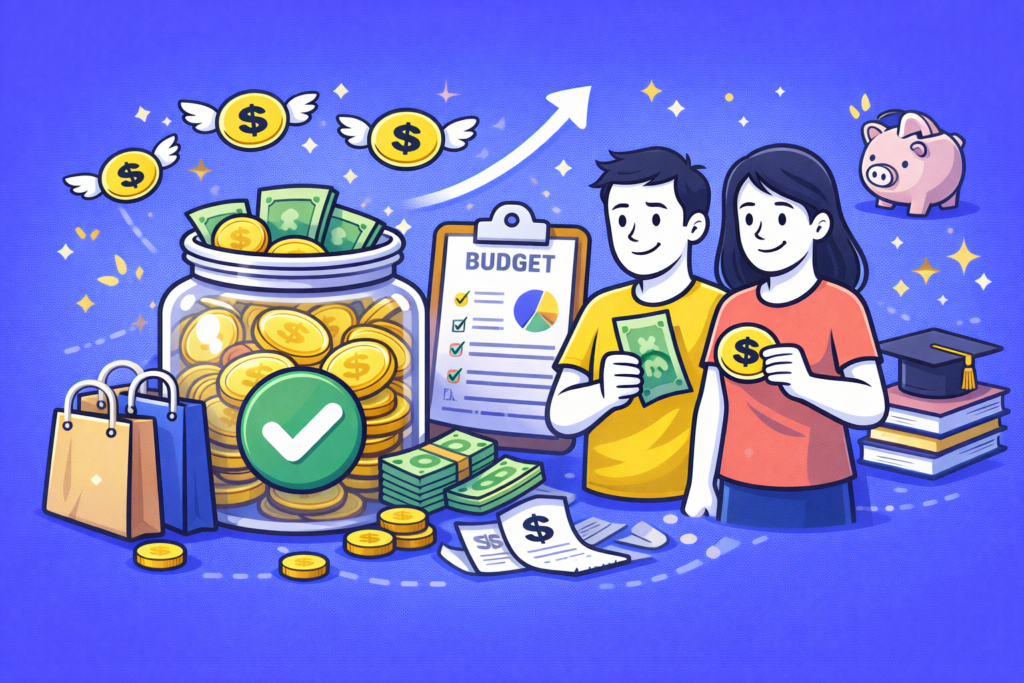
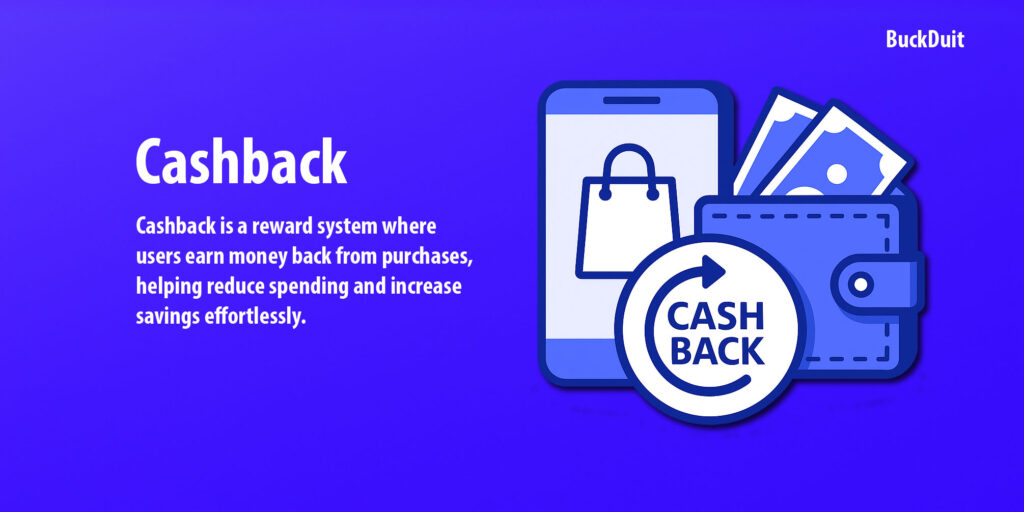
Cashback is a reward system where users earn money back when they make purchases through participating platforms, apps, or merchants. Instead of receiving discounts upfront, cashback returns a portion of your spending after the transaction is completed.

In cashback models, users shop as they normally would—online or in-store—but their purchases are tracked through receipt uploads, card-linked systems, or referral links. Once verified, a percentage of the purchase value is credited back to the user as cash, points, or redeemable rewards.

Cashback gives consumers a way to reduce everyday expenses without changing their buying habits. It does not require special skills, product creation, or client interaction. As long as purchases follow the platform’s rules, cashback is earned automatically or with minimal effort.

While cashback is simple and low-risk, it is not a high-income model. Earnings depend on spending volume, offer availability, and payout terms. When used consistently and responsibly, cashback becomes a practical tool for saving money and earning small, steady rewards from normal daily purchases.

Why Cashback Matters Today

Cashback has become one of the most practical earning models in today’s digital economy. As the cost of living rises and everyday expenses increase, cashback offers a way for consumers to earn money back from purchases they already make, rather than spending extra time or learning new skills.

Unlike side hustles that require active work, cashback integrates directly into daily spending habits. Groceries, fuel, online shopping, bills, and subscriptions can all generate small returns when tracked through the right platforms. This makes cashback especially appealing to people who want low-effort, low-risk ways to reduce expenses.

Cashback does not replace a full income, but it improves financial efficiency. Instead of discounts that disappear after checkout, cashback returns real value after the transaction is completed. Over time, consistent cashback usage can offset recurring costs and improve monthly cash flow without changing lifestyle behavior.

Cashback systems are powered by brands and platforms that pay for customer acquisition, retention, and purchase data. Consumers benefit by receiving a share of this marketing spend. When used responsibly, cashback becomes a simple financial tool — not for getting rich, but for making everyday spending smarter and more rewarding.

Why Do Companies Pay Cashback

1. Companies Pay for Customer Acquisition & Speed

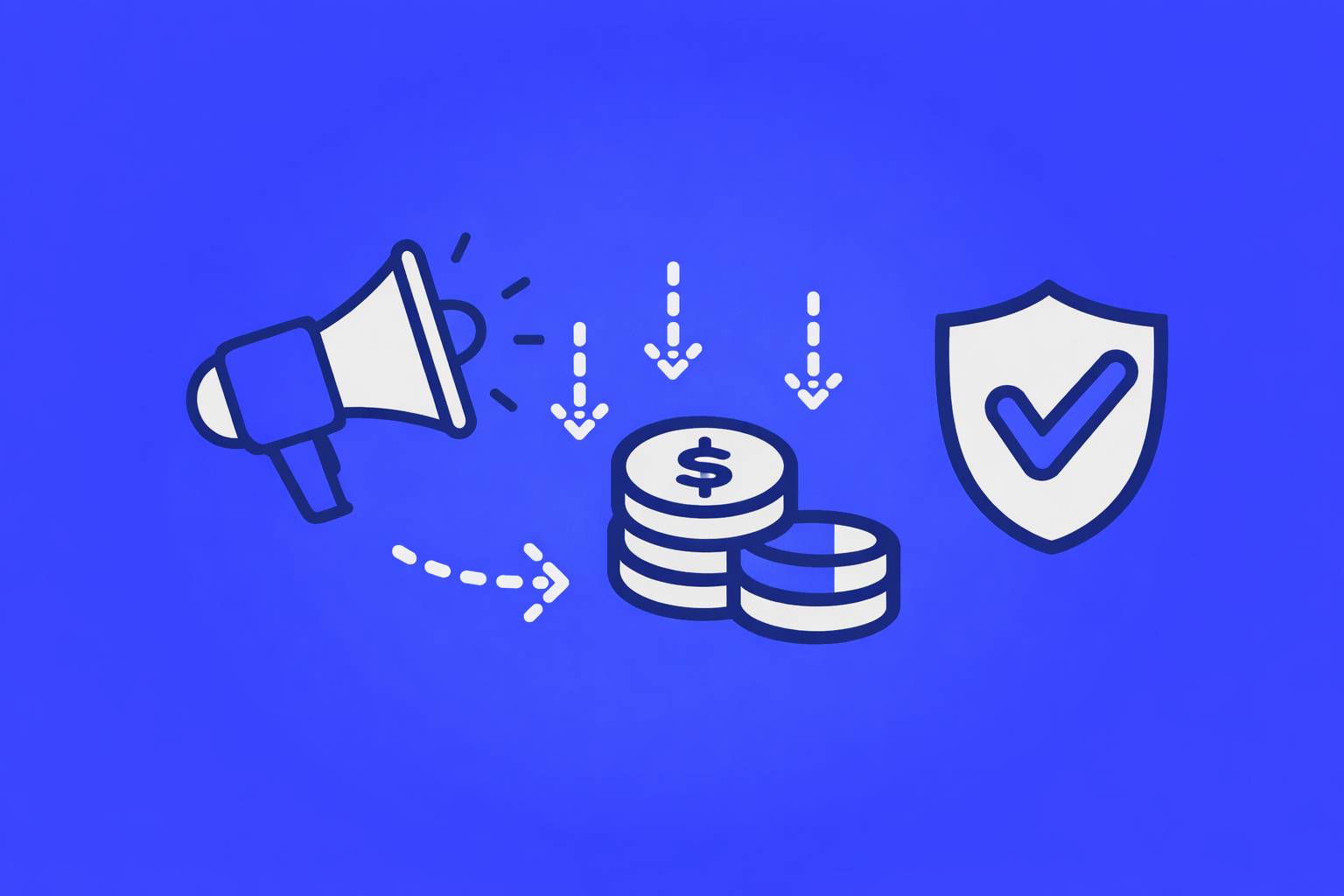
Cashback helps companies attract customers faster. By offering cashback rewards, brands encourage shoppers to make immediate purchases instead of delaying or choosing competitors. This reduces friction and speeds up buying decisions.


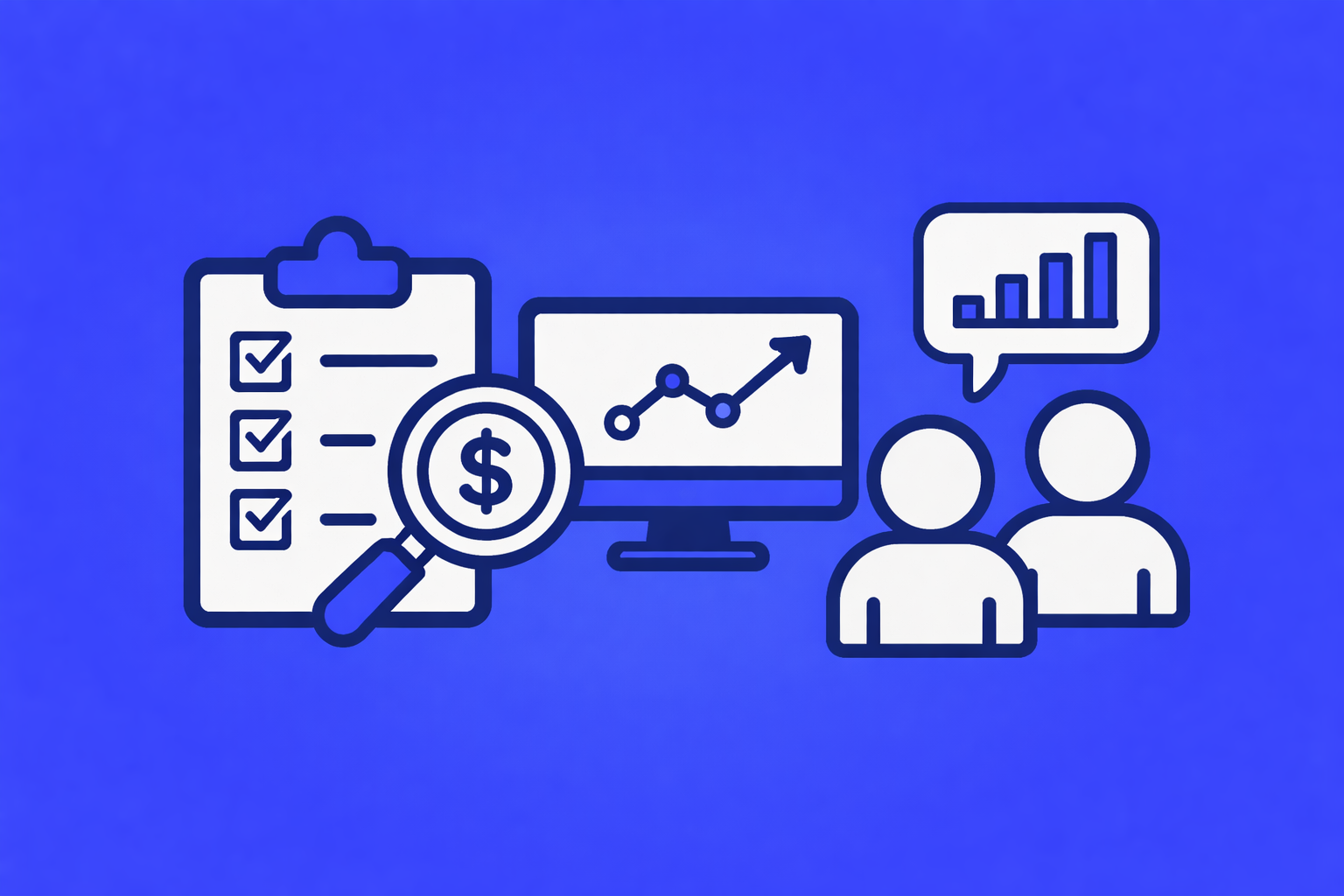
2. Companies Pay for Purchase Data & Consumer Insights

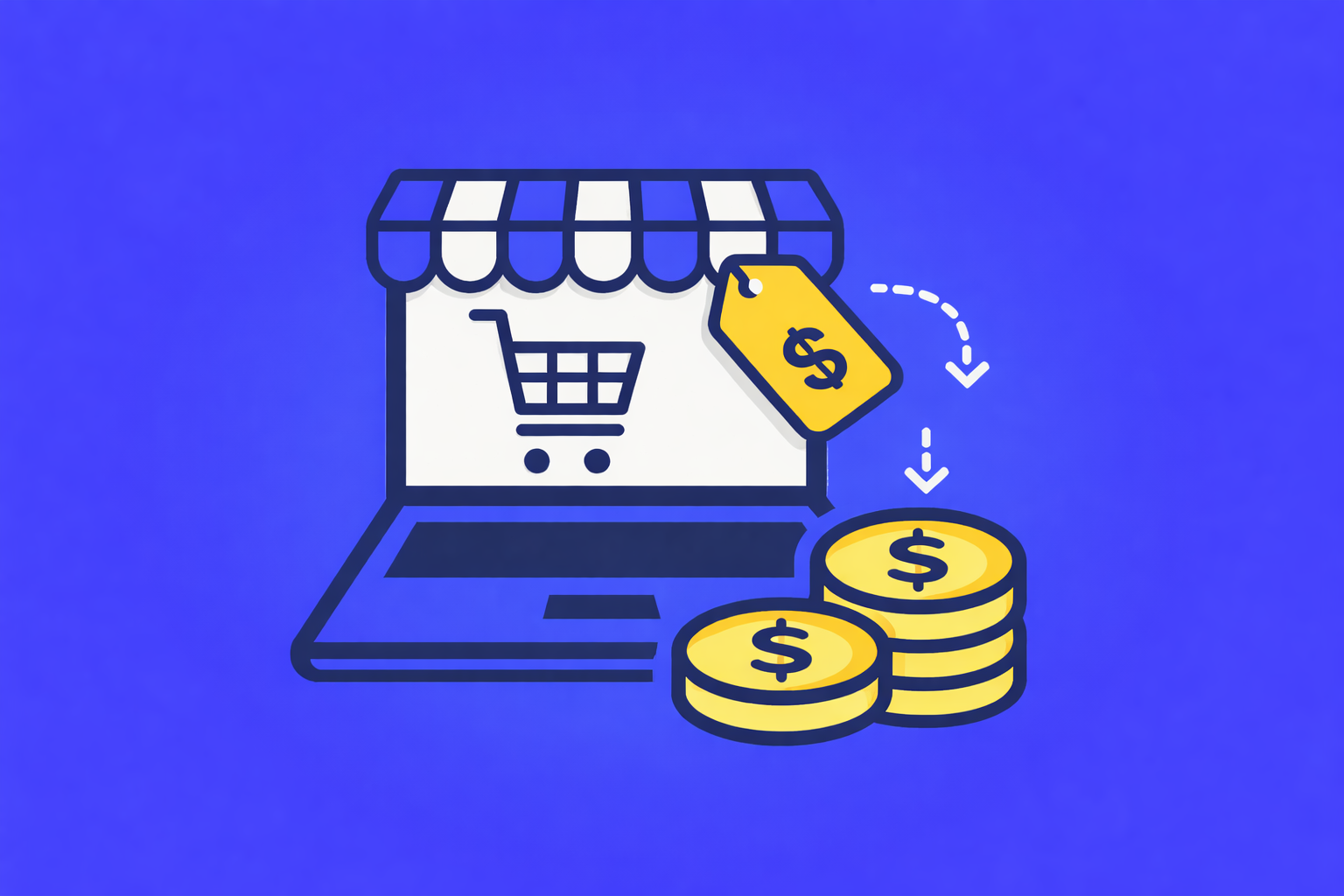
Cashback platforms allow companies to track real purchasing behavior — what people buy, how often they return, and which offers perform best. This data helps brands improve products, pricing, and marketing strategies. Users receive cashback as a share of this value.

chatgpt image jan 5, 2026, 11 20 18 am

Companies Pay for Customer Acquisition
chatgpt image jan 5, 2026, 11 26 10 am

Companies Pay for Purchase Data

3. Companies Pay for Cost-Efficient Marketing
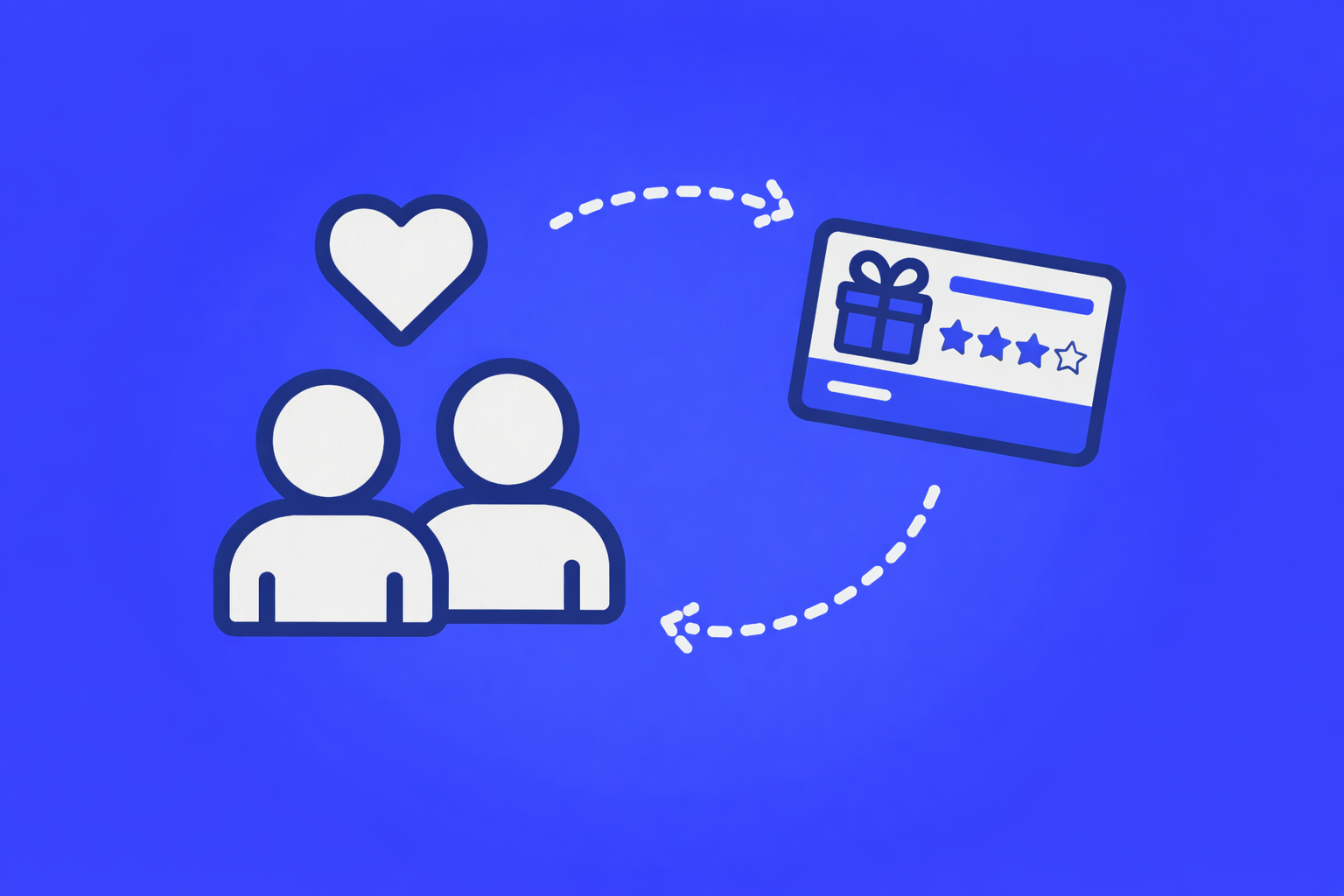
Cashback is a performance-based marketing model. Companies only pay when a real purchase happens, making it more cost-efficient than traditional advertising. This lowers wasted ad spend and improves return on investment.


4. Companies Pay to Increase Loyalty & Repeat Sales

Once customers earn cashback, they are more likely to shop again through the same brand or platform. Cashback builds habit and loyalty, increasing customer lifetime value without aggressive promotions or constant advertising.

chatgpt image jan 5, 2026, 11 27 21 am

Companies Pay for Cost-Efficient Marketing

chatgpt image jan 5, 2026, 11 28 45 am

Companies Pay to Increase Loyalty

Types of Cashback

chatgpt image jan 5, 2026, 11 50 03 am

1. Online Shopping Cashback

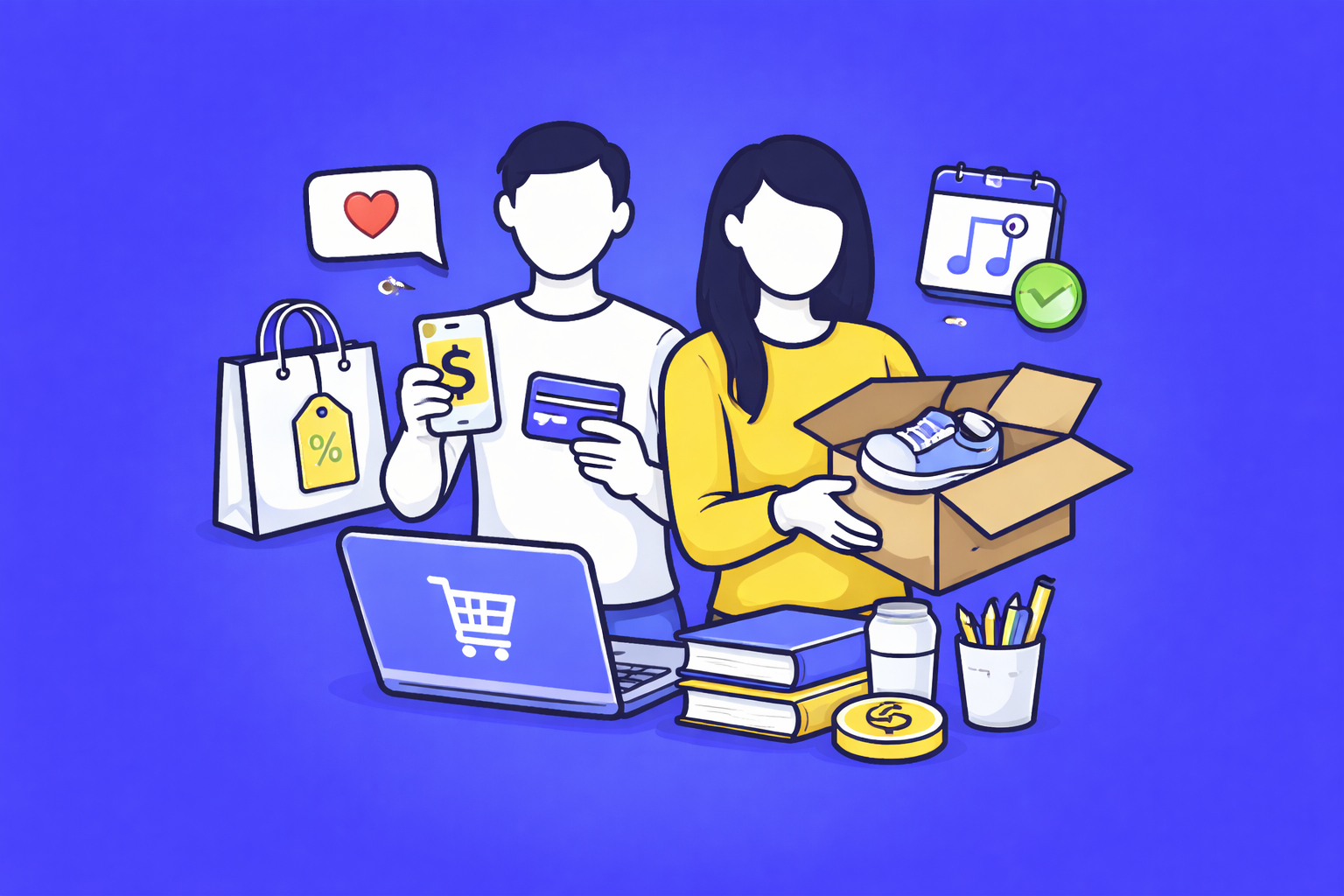
This type of cashback is earned when users shop through tracked links on cashback platforms. Purchases made on e-commerce sites are recorded, and a percentage of the spending is returned after the order is confirmed.

chatgpt image jan 5, 2026, 11 51 21 am

2. Card-Linked Cashback

Card-linked cashback works by connecting a debit or credit card to a cashback app. When users shop at participating merchants, cashback is earned automatically without scanning receipts or clicking links.
chatgpt image jan 5, 2026, 11 52 08 am

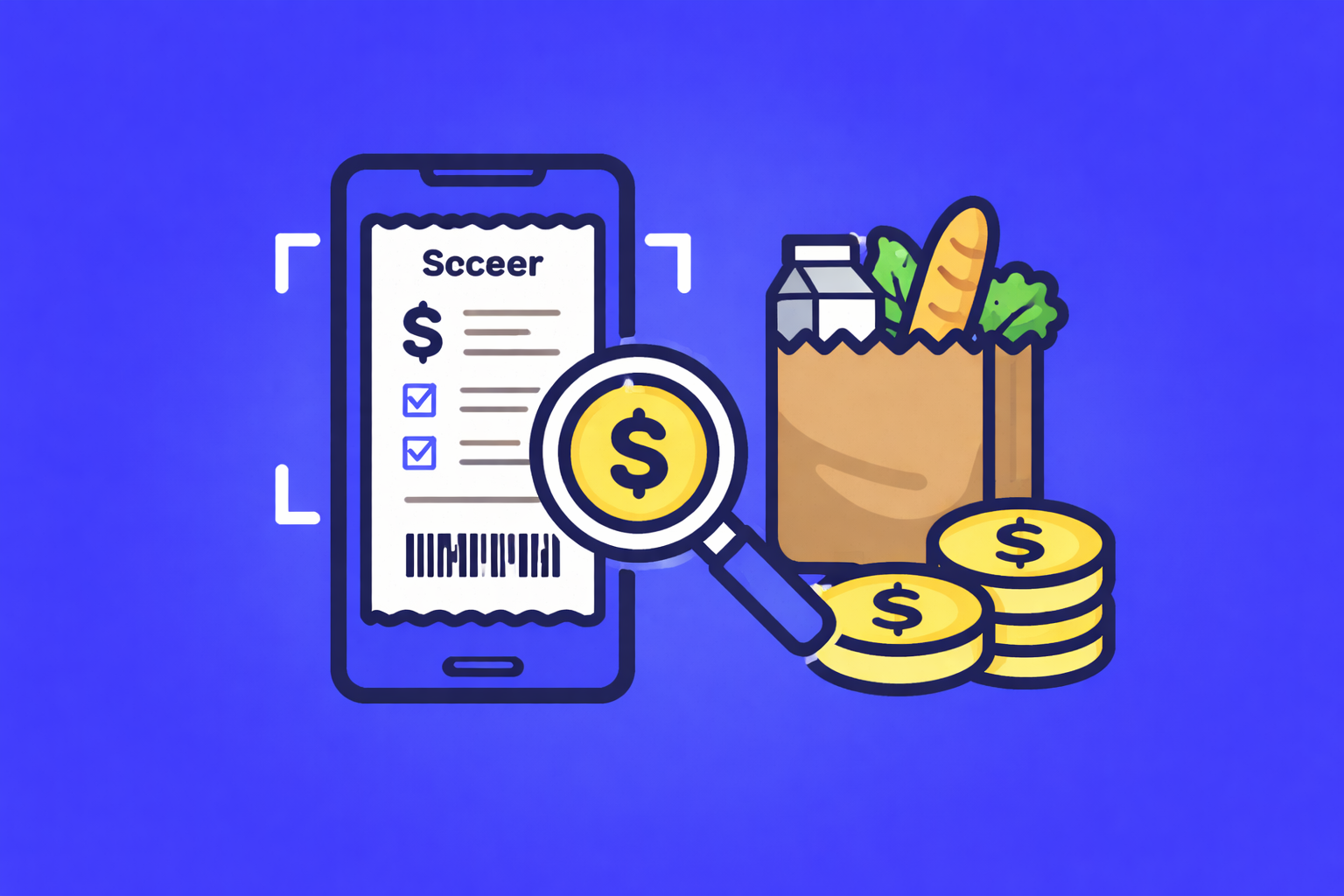
3. Receipt Scan Cashback

Users earn cashback by uploading photos of shopping receipts. This type is common for groceries and in-store purchases and usually requires completing specific product or brand offers.
chatgpt image jan 5, 2026, 11 53 23 am

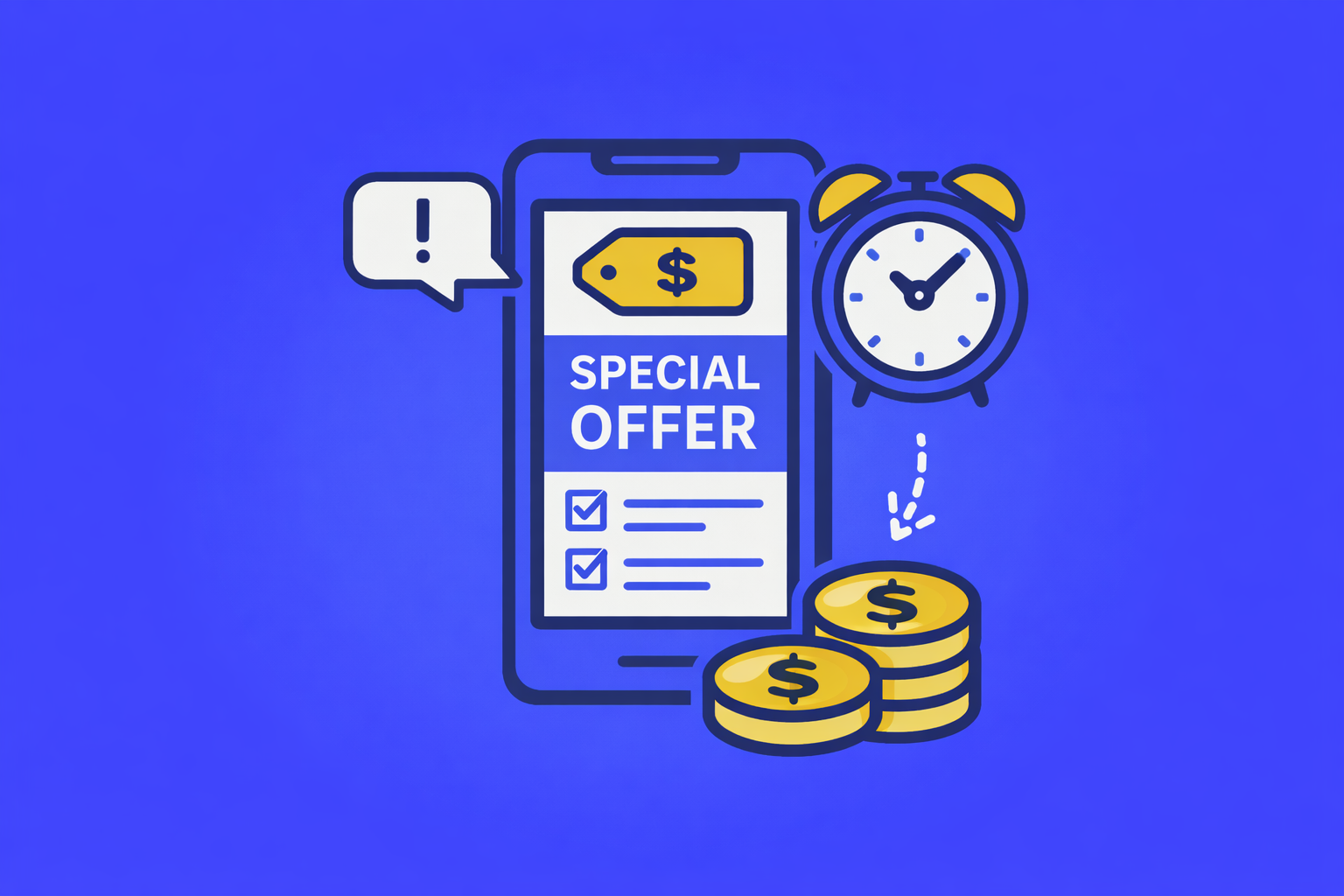
4. In-App Offers & Promotions

Some cashback platforms provide in-app offers that must be activated before purchase. Cashback is earned only if the user follows the required steps, such as buying within a certain time or meeting minimum spend.
chatgpt image jan 5, 2026, 11 54 29 am

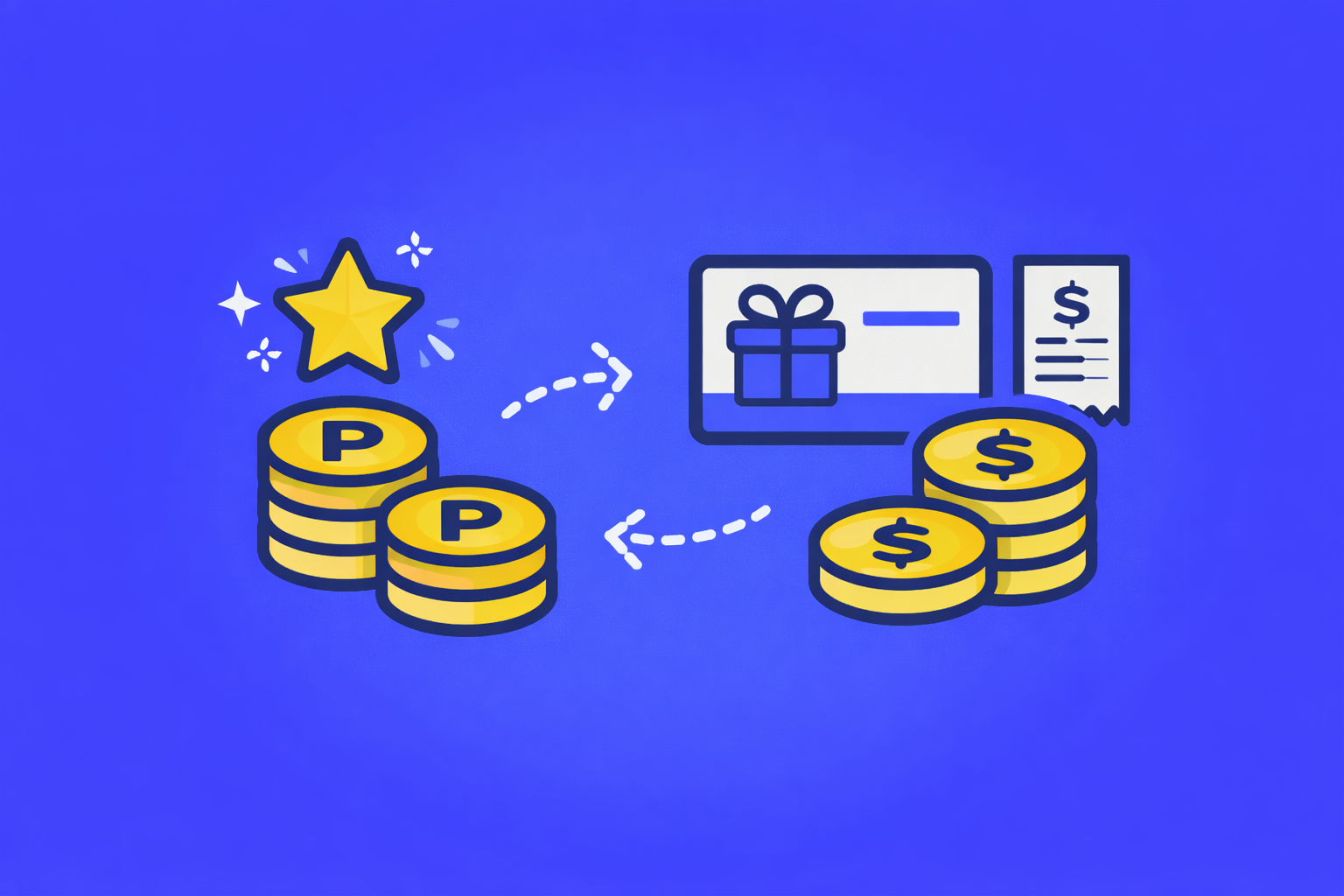
5. Cashback Points & Rewards Systems

Instead of cash, users earn points that can be redeemed for money, vouchers, or gift cards. The value depends on the platform’s conversion rate and withdrawal rules.
chatgpt image jan 5, 2026, 11 55 15 am

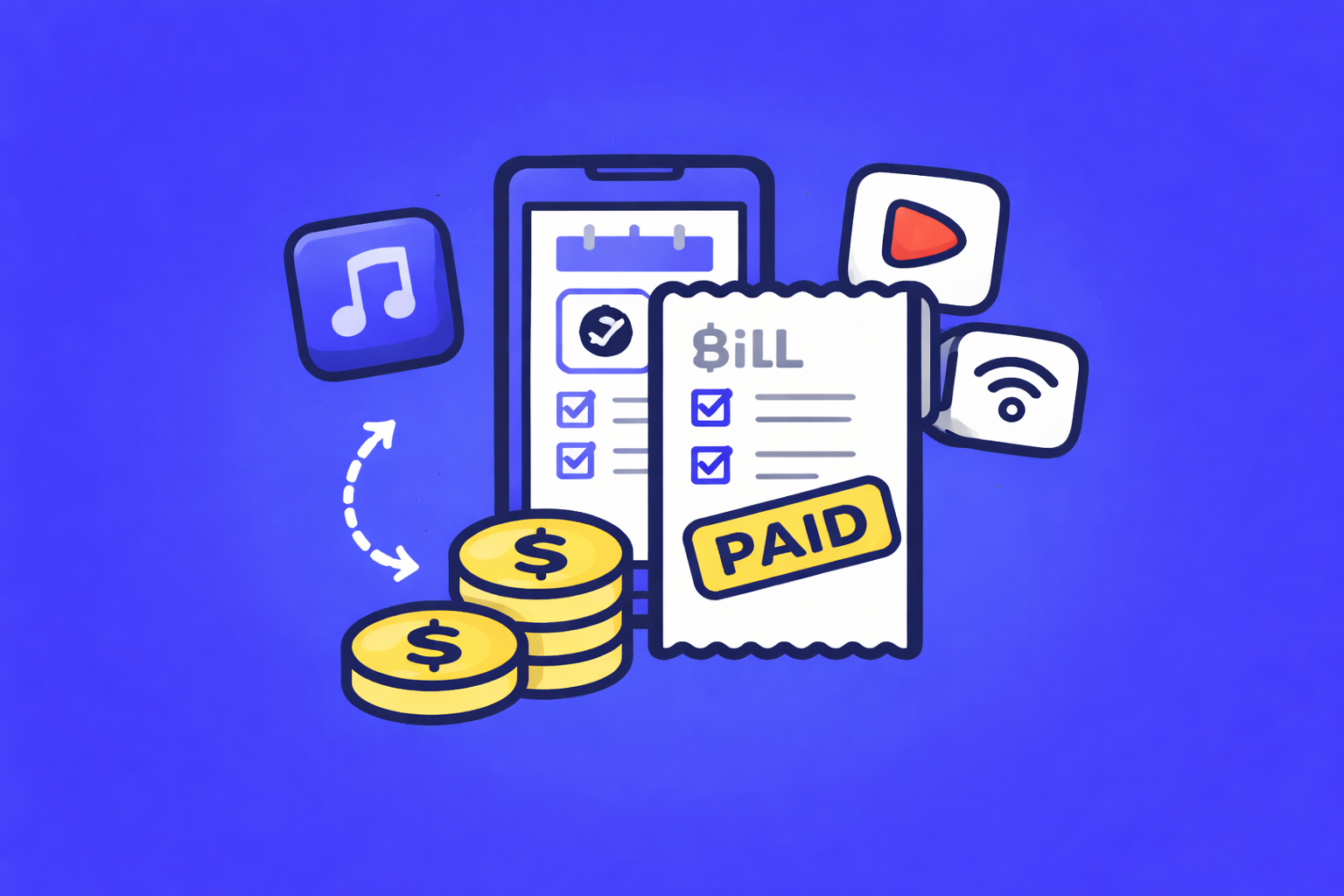
6. Subscription & Bill Cashback

Cashback is earned on recurring expenses such as subscriptions, utilities, or mobile bills. This type is attractive because it rewards spending that happens regularly.
Earning Potential

Cashback is not a primary income source. It is designed to reduce spending, not replace a job or business.

Most users earn cashback as small but consistent savings based on their normal spending habits.

Typical earning ranges:

  • Casual users: $5–$30 per month

  • Active users (online + grocery + card-linked): $30–$100 per month

  • Heavy spenders or families: $100–$300+ per year

Cashback works best when:

  • You already spend on groceries, online shopping, or subscriptions

  • You use multiple cashback methods together

  • You stay consistent over time

Cashback should be treated as smart savings, not income growth.

Who Cashback Is Good For

Cashback is ideal for people who want to save money automatically without learning new skills or taking risks.

Cashback fits people who prefer:

  • Passive savings

  • Simple actions (shop, scan, pay)

  • No pressure, no deadlines, no selling

  • Best suited for:
chatgpt image jan 5, 2026, 12 04 05 pm

Everyday shoppers and families

chatgpt image jan 5, 2026, 12 06 13 pm

Students and budget-conscious users

chatgpt image jan 5, 2026, 12 11 25 pm

Online shoppers and subscription users
chatgpt image jan 5, 2026, 12 13 17 pm

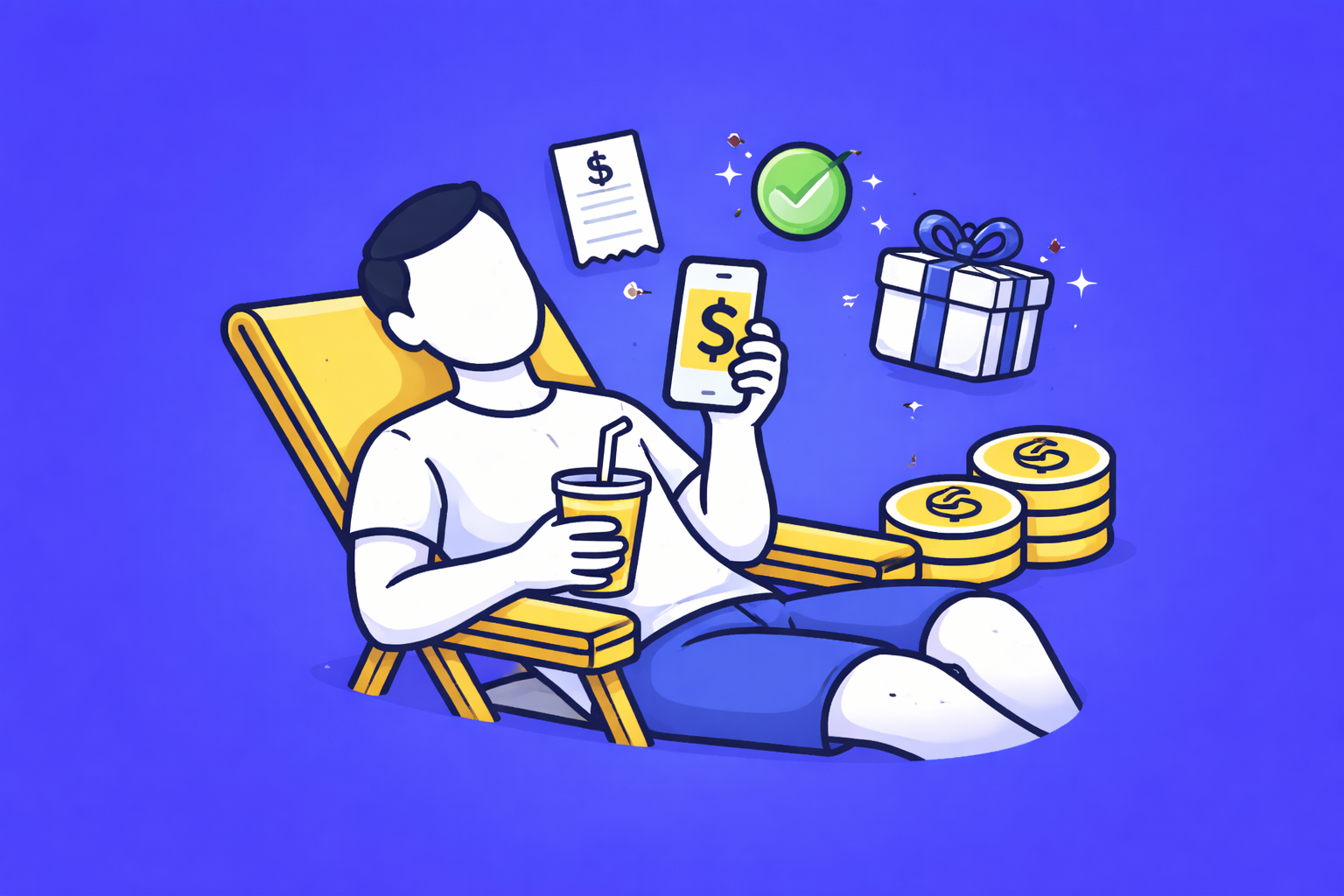
People who want low-effort, no-risk rewards
Who Should Avoid Cashback

Cashback becomes ineffective if:

  • You buy things you don’t need

  • You expect it to replace freelancing or business

  • You ignore withdrawal rules and limits

Cashback should support good spending habits, not encourage bad ones.

Not ideal for:

chatgpt image jan 5, 2026, 12 24 23 pm

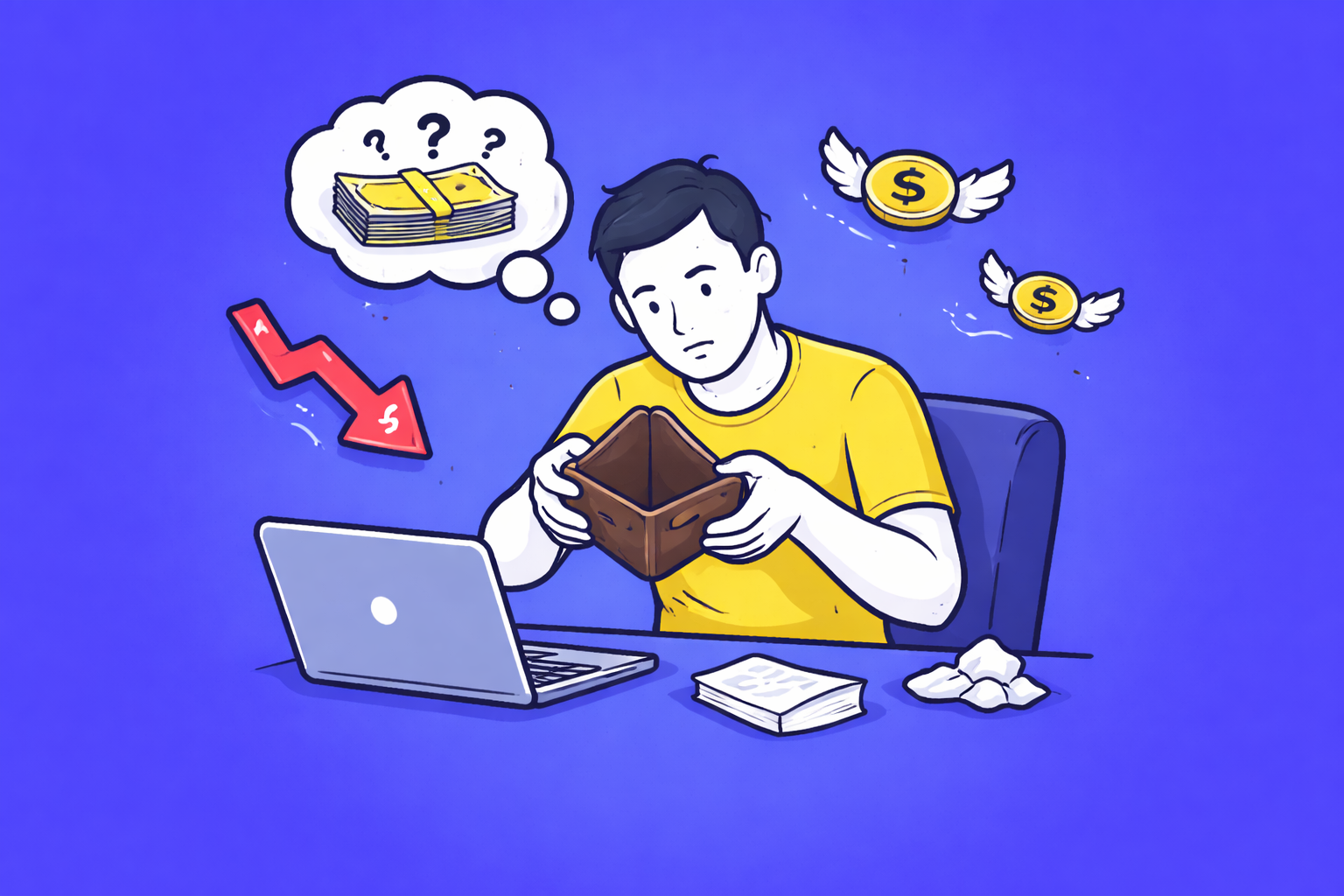
People wanting instant or high income
chatgpt image jan 5, 2026, 12 25 33 pm

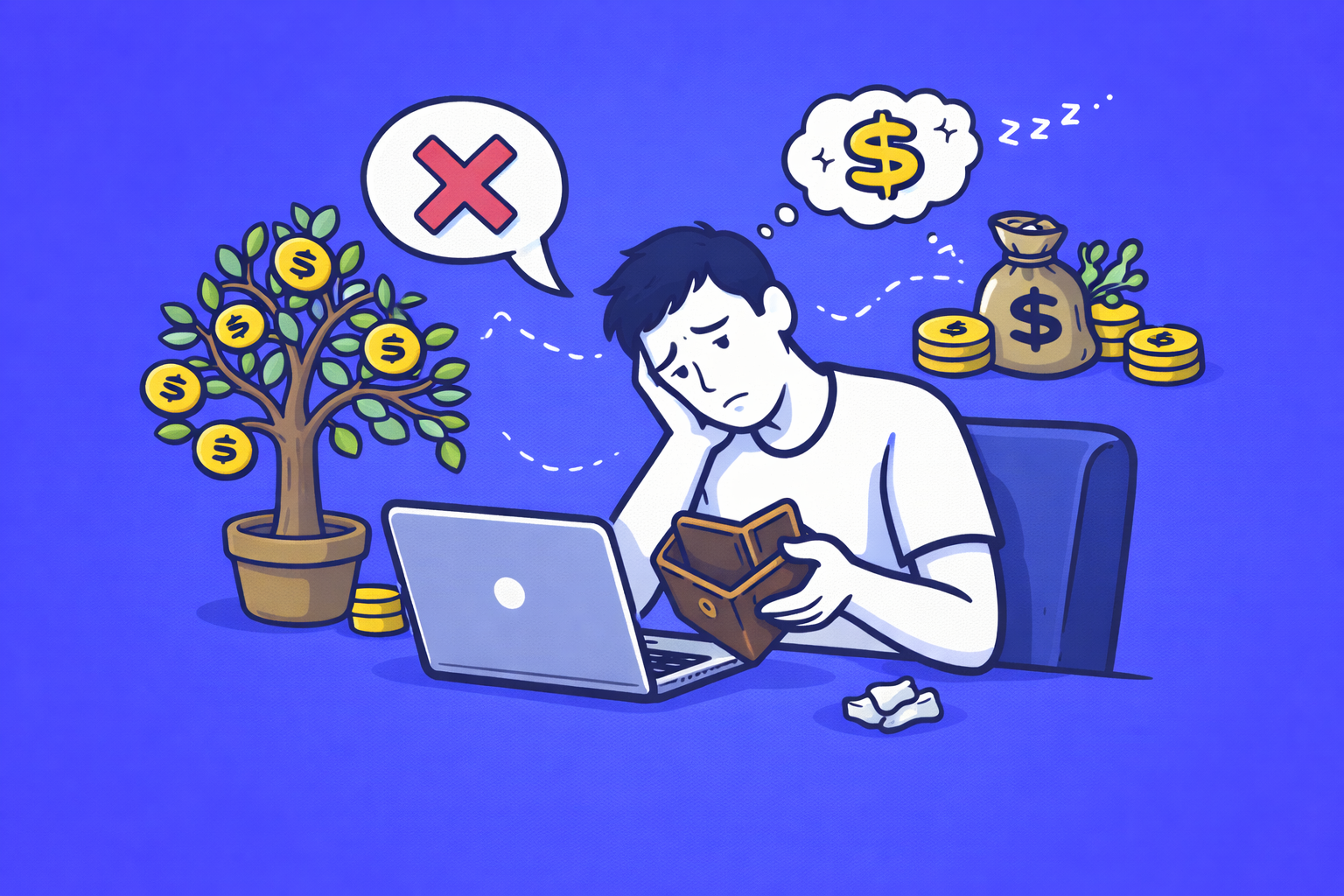
Those expecting passive income without spending
chatgpt image jan 5, 2026, 12 28 38 pm

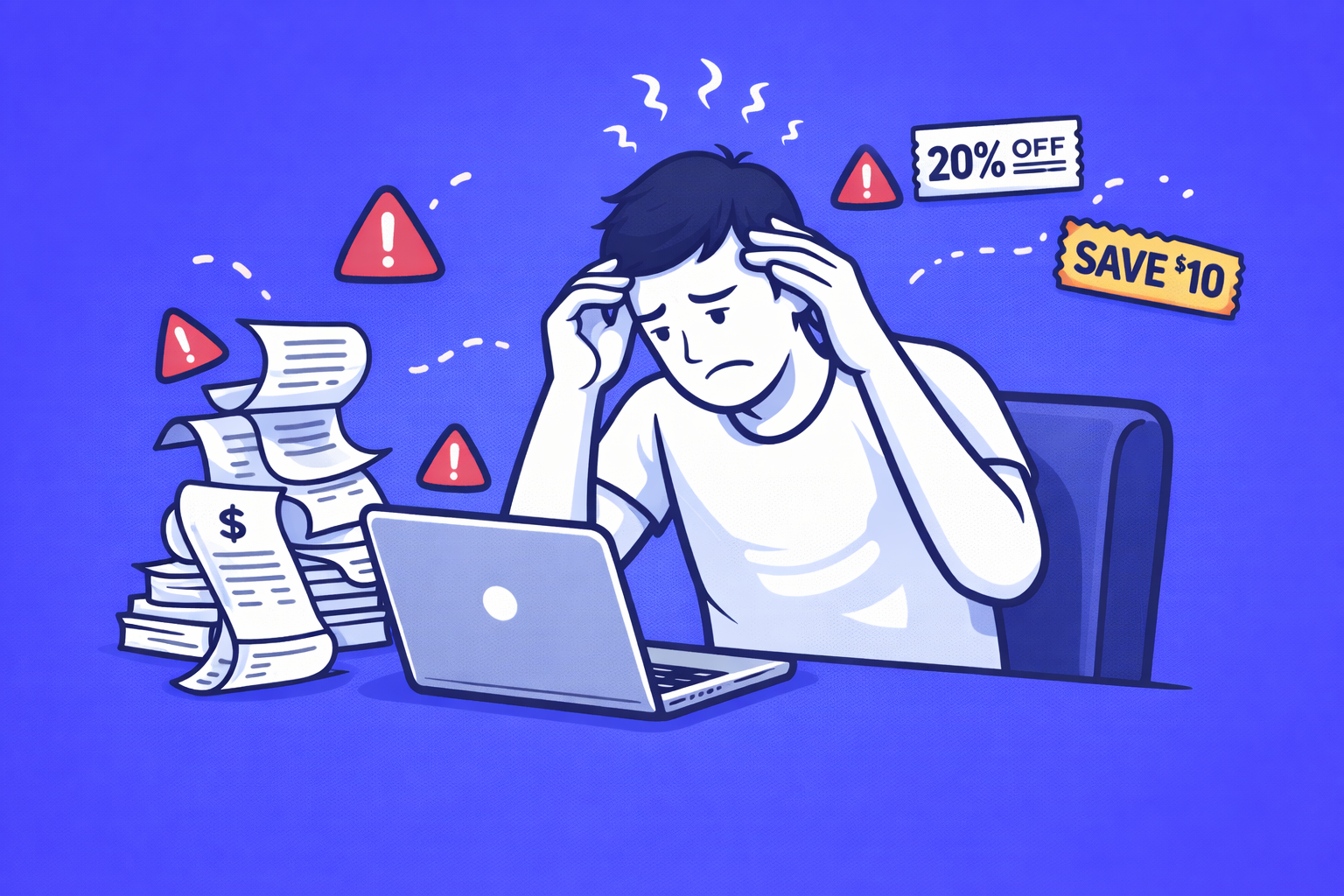
Users who dislike tracking receipts or offers
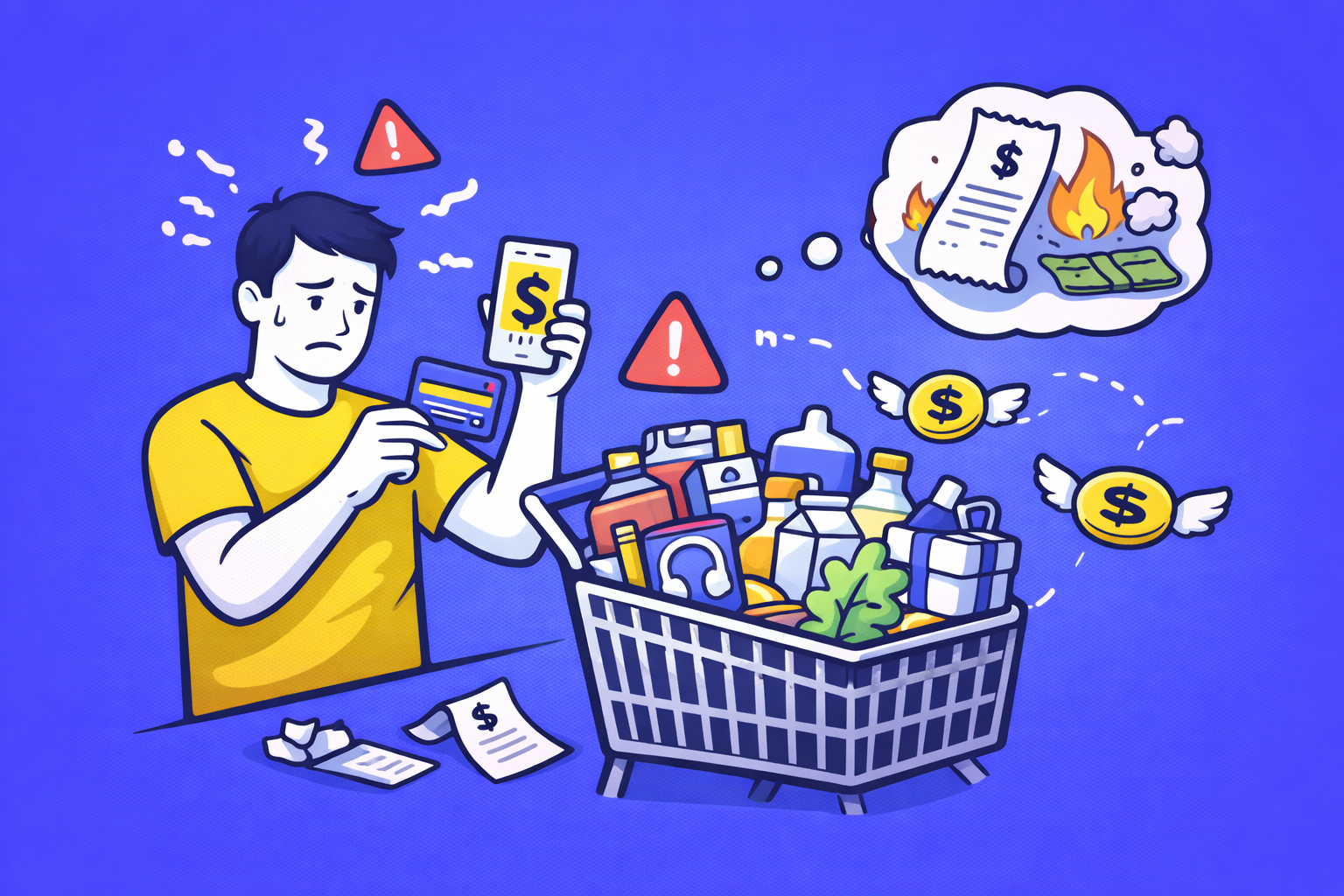
chatgpt image jan 5, 2026, 12 30 38 pm

People who overspend just to “earn cashback”
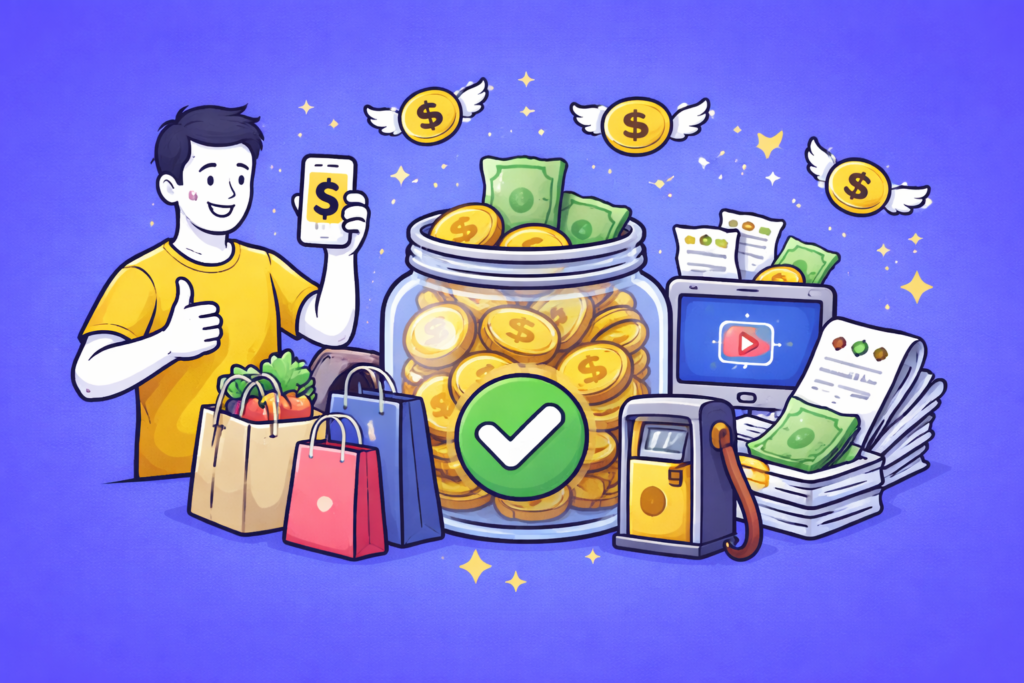
Myth vs Reality: Cashback

Myth: Cashback is free money with no conditions.
Reality: Cashback comes from marketing budgets paid by companies, and it always follows specific rules. Users must meet eligibility requirements, follow offer terms, and wait for transactions to be verified before rewards are credited.

Myth: Cashback can replace a job or side income.
Reality: Cashback is not designed to generate high income. Earnings depend on spending volume and offer availability. It works best as a savings tool, not as an income stream or financial strategy on its own.

Myth: All cashback offers pay instantly.
Reality: Most cashback requires a waiting period for verification, returns, or cancellations. Payouts may take days or weeks, and some offers have minimum withdrawal limits.

Myth: More spending always means more cashback.
Reality: Overspending to earn rewards defeats the purpose. Cashback only adds value when used on necessary purchases. Buying things just to earn cashback often results in net loss.

The bottom line: Cashback is a smart way to reduce everyday expenses when used responsibly. It rewards normal spending behavior, not excessive consumption. When expectations are realistic, cashback becomes a helpful financial habit — not a shortcut to income.

Is Cashback Worth It Long-Term?

Short answer: Yes — but only when it’s used with the right expectations and habits.

Cashback is worth it long-term because it turns everyday spending into small, consistent savings. Groceries, fuel, utilities, subscriptions, and online shopping are expenses most people already have. Cashback doesn’t ask you to work more, learn new skills, or take financial risks. Instead, it quietly returns a portion of what you spend, helping reduce your total cost of living over time.

The real value of cashback comes from consistency, not scale. Earning a few dollars here and there may feel insignificant at first, but when applied across months and years, the savings add up. Many users underestimate how much they spend annually on essentials. When cashback is layered across multiple categories—online purchases, card-linked offers, receipt scans, and recurring bills—it can offset hundreds of dollars per year without changing spending behavior.

That said, cashback is not worth it if it changes how you spend. Overspending to earn rewards is the most common mistake. Buying items you don’t need, upgrading purchases unnecessarily, or chasing short-term offers often results in spending more than you get back. Cashback only works when it follows disciplined spending habits.

chatgpt image jan 5, 2026, 12 38 56 pm

Another long-term factor is time and friction. Some cashback systems require tracking receipts, activating offers, or waiting through verification periods. If the process feels stressful or time-consuming, the value drops quickly. The best cashback setups are those that integrate smoothly into your routine, require minimal effort, and clearly communicate payout rules.

Cashback also works best when paired with financial awareness. Understanding minimum withdrawal thresholds, expiration dates, exclusions, and payout timelines prevents frustration. Users who treat cashback casually but responsibly—checking balances, withdrawing rewards, and avoiding impulse buys—benefit the most.

It’s important to be clear about what cashback is not. It won’t replace a job, freelancing income, or digital business. It doesn’t scale without increased spending. And it doesn’t generate wealth on its own. Cashback is a supporting tool, not a financial strategy.

Bottom line: Cashback is worth it long-term if your goal is smarter spending, not higher income. When used responsibly, it quietly improves cash flow, reduces expenses, and rewards habits you already have. Treated as a bonus—not a goal—cashback remains one of the safest and simplest financial tools available.

Scam Warning Signs (Cashback)

Cashback is generally a low-risk earning model, but its simplicity also makes it attractive to scammers. Fake cashback apps and misleading platforms often target beginners by copying the language and appearance of legitimate services. Understanding the warning signs is essential to avoid wasting time, money, or personal data.

One major red flag is any cashback platform that asks for upfront payments to unlock earnings, withdrawals, or “premium cashback rates.” Legitimate cashback services earn money from brands and advertisers, not from charging users before rewards are earned. If a platform requires deposits, membership fees, or paid upgrades just to access your cashback, it should be avoided.

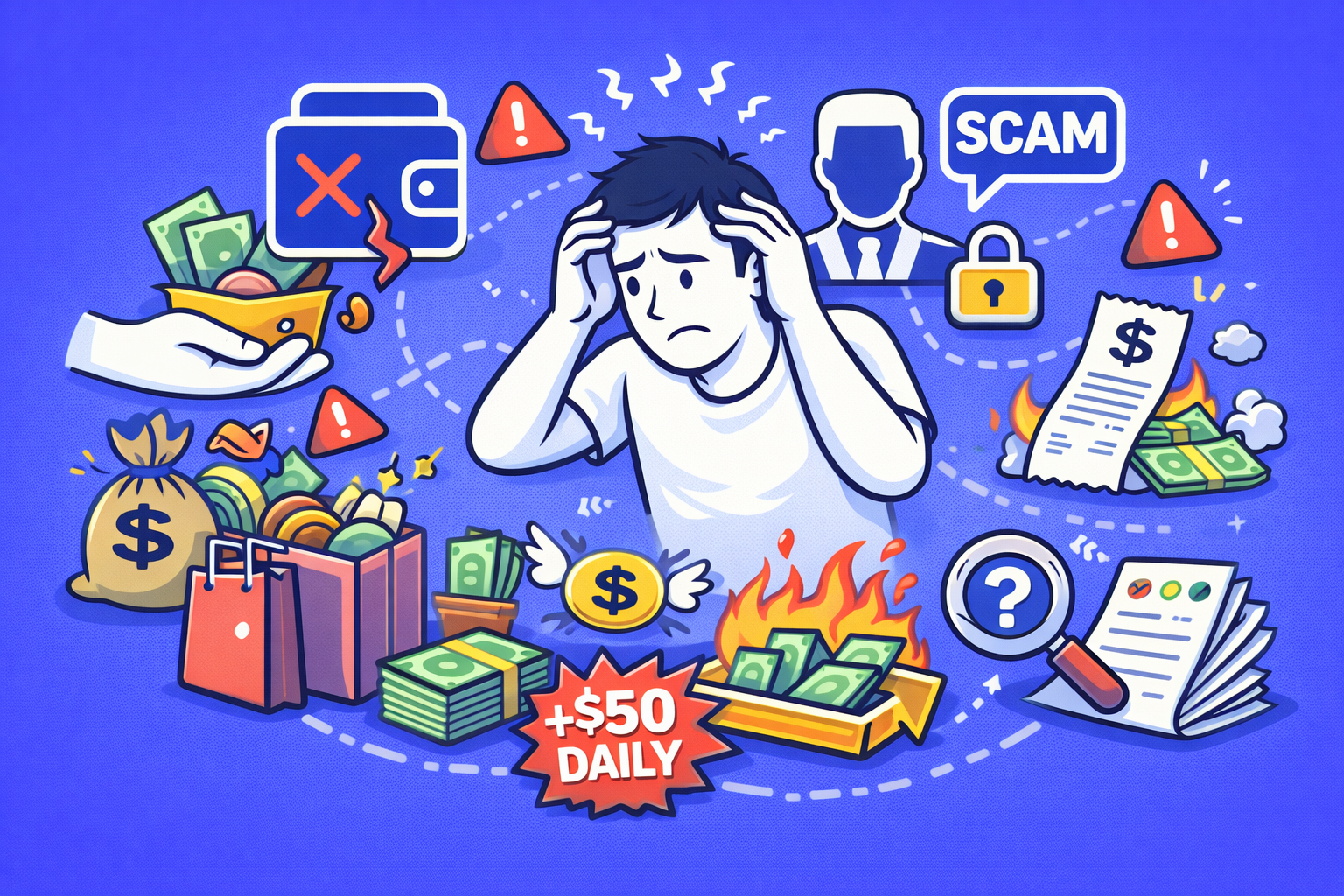
Another common warning sign is unrealistic earning promises. Claims such as “earn $50 a day with no spending,” “guaranteed cashback income,” or “instant payouts with no verification” are misleading. Real cashback is always tied to actual purchases, offer limits, and verification periods. There are no guarantees, and payouts are never instant across all offers.

Be cautious of platforms with unclear or hidden payout rules. Legitimate cashback apps clearly explain tracking methods, waiting periods, minimum withdrawal thresholds, and exclusions. Scam platforms often use vague terms, constantly change conditions, or delay payouts indefinitely without clear explanations.

chatgpt image jan 5, 2026, 12 42 56 pm

Overly aggressive referral schemes are another red flag. While referrals are common in cashback apps, scams often focus more on recruiting users than on real shopping rewards. If most earnings come from referrals instead of purchases, the platform may not be sustainable.

Watch out for poor transparency and fake social proof. Scammers often display fake testimonials, manipulated screenshots, or exaggerated success stories without verifiable proof. A lack of company information, missing support channels, or no clear business address should raise concerns.

Data misuse is also a serious risk. Cashback platforms require access to purchase data, receipts, or card connections. If an app requests unnecessary permissions, lacks basic privacy policies, or does not explain how data is used, it may compromise your personal information.

Finally, avoid platforms that pressure users to spend more in order to “unlock” rewards. Cashback should reward normal spending, not encourage unnecessary purchases. Any system that promotes overspending defeats the purpose and may be designed to benefit the platform rather than the user.

Bottom line: Legitimate cashback is slow, transparent, and modest. Scams rely on urgency, exaggerated claims, hidden rules, and upfront payments. When cashback sounds too good to be true, it almost always is.

Final Thoughts (Cashback)

Cashback is one of the simplest and safest ways to improve your personal finances — but only when it’s understood for what it truly is. It is not a shortcut to wealth, a side hustle replacement, or a passive income machine. Cashback is a spending efficiency tool, designed to help you keep more money from purchases you already need to make.

When used correctly, cashback quietly adds value over time. Small rewards from groceries, online shopping, subscriptions, and bills may feel insignificant at first, but consistency is where the real benefit lies. Over months and years, cashback can offset recurring expenses, reduce wasted spending, and improve overall cash flow without increasing risk or workload. Unlike many online earning models, cashback does not depend on skills, marketing, clients, or algorithms.

However, cashback only works when discipline comes first. The biggest mistake users make is changing their behavior to chase rewards. Overspending, buying unnecessary items, or forcing purchases just to “earn cashback” defeats the entire purpose. Cashback should follow your spending habits — not control them. If spending increases, the system has already failed.

Another key factor is expectation management. Cashback platforms operate with tracking rules, verification periods, withdrawal limits, and exclusions. Legitimate cashback is transparent, slow, and modest. Any platform promising fast payouts, guaranteed earnings, or income without spending should be approached with caution. Cashback works best when users understand the rules, withdraw regularly, and treat rewards as a bonus rather than a goal.

chatgpt image jan 5, 2026, 12 49 00 pm

From a long-term perspective, cashback shines as a supporting financial habit. It pairs well with budgeting, cost control, and smarter purchasing decisions. For families, students, and everyday shoppers, cashback offers a practical way to reduce expenses without lifestyle changes. For beginners exploring online earning, it provides a low-risk introduction without financial exposure.

What cashback is not meant to do is replace higher-leverage models like freelancing, digital selling, or investing. Those paths offer growth, but they also carry higher effort and risk. Cashback sits at the opposite end of the spectrum: stable, predictable, and limited — but reliable.

Final verdict: Cashback is worth it when used responsibly, consistently, and realistically. Treat it as a tool for smarter spending, not income generation. When expectations are clear and habits are disciplined, cashback becomes a quiet but effective way to keep more of your money over the long run.

Freelancing & Digital Selling

untitled 14