
Why Digital Selling Matters Today

Digital selling has become one of the fastest-growing income models in the online economy. As internet access expands and digital consumption increases, people are no longer limited to earning money by selling time or physical products. Instead, individuals can create digital assets once and sell them repeatedly to a global audience.

Unlike traditional jobs or freelancing, where income depends directly on hours worked, digital selling offers scalability. A single product — such as an e-book, course, template, or tool — can generate income continuously without additional effort for each sale. This shift has created massive opportunities for online earners who want leverage, automation, and long-term growth.

Digital selling is not instant or effortless, but it is one of the most powerful online paths where income can compound over time. As your product improves, your audience grows, and your systems become automated, your earning potential increases without requiring proportional increases in workload.

The digital selling engine is powered by people’s constant demand for knowledge, tools, convenience, and solutions. Whether it’s learning a new skill, saving time, improving productivity, or solving a specific problem, digital products meet real needs. For creators willing to build value-first products, digital selling offers a sustainable way to generate long-term income without traditional employment.

What Is Digital Selling?

Digital selling is a business model where individuals earn money by selling digital products or digital access instead of physical goods or hourly services. A digital seller creates or packages content, tools, or resources that can be delivered instantly online, often with automated payment and delivery systems.

Unlike freelancing, where you trade time for money, digital selling allows you to separate income from hours worked. Once a product is created, it can be sold multiple times without needing to repeat the work. This makes digital selling one of the most attractive income models in the modern digital economy.

Digital sellers decide what to create, how to price it, where to sell it, and how to market it. This independence allows full control over income strategy, branding, and growth direction. Whether selling through platforms like Gumroad, Etsy, Shopify, or a personal website, digital selling enables creators to reach customers worldwide.

Digital selling covers a wide range of product types, making it suitable for beginners and experienced professionals alike. Popular categories include e-books, online courses, templates, design assets, software tools, printables, stock media, memberships, and premium content. Beginners often start with simple products such as planners, guides, or templates, then upgrade into higher-value offerings like full courses or subscription-based access.

One of the biggest advantages of digital selling is leverage. Your income grows as your product quality, visibility, and trust increase. Customers pay for convenience, expertise, and problem-solving — not for your time. This allows digital selling to evolve from a side income into a scalable online business.

Why Do Customers Pay for Digital Products?

1. Customers Pay for Convenience & Speed

Digital products provide instant access. Buyers can download, watch, or use a product immediately without waiting for shipping or appointments. This speed makes digital products extremely attractive in a fast-paced online world.

2. Customers Pay for Knowledge & Solutions

People pay for information that saves time, avoids mistakes, or accelerates results. A well-structured guide or course can replace months of trial-and-error, making it worth the price.

chatgpt image dec 14, 2025, 10 23 02 pm

Convenience & Speed

chatgpt image dec 14, 2025, 10 23 40 pm

Knowledge & Solutions

3. Customers Pay for Cost Efficiency

Digital products are often cheaper than hiring professionals or attending in-person training. A one-time purchase can deliver long-term value at a fraction of the cost of services or coaching.

4. Customers Pay for Accessibility

Digital products are available globally, anytime. Buyers can learn, use tools, or access content at their own pace, which increases perceived value and satisfaction.

chatgpt image dec 14, 2025, 10 25 03 pm

Customers Pay for Cost Efficiency

chatgpt image dec 14, 2025, 10 26 26 pm

Customers Pay for Accessibility

Types of Digital Selling

chatgpt image dec 14, 2025, 10 01 32 pm

1. E-books & Guides

Includes PDFs, manuals, playbooks, and step-by-step guides. Easy to start and ideal for sharing structured knowledge.
chatgpt image dec 14, 2025, 10 03 48 pm

2. Online Courses

Video, audio, or text-based lessons delivered through platforms or websites. High value and strong long-term earning potential.
chatgpt image dec 14, 2025, 10 07 40 pm

3. Templates & Tools

Includes Notion templates, Canva designs, spreadsheets, resumes, planners, and workflows. Popular for productivity-focused buyers.
chatgpt image dec 14, 2025, 10 09 35 pm

4. Design & Creative Assets

Stock photos, icons, illustrations, UI kits, fonts, and graphics. High demand among creators and businesses.
chatgpt image dec 14, 2025, 10 14 42 pm

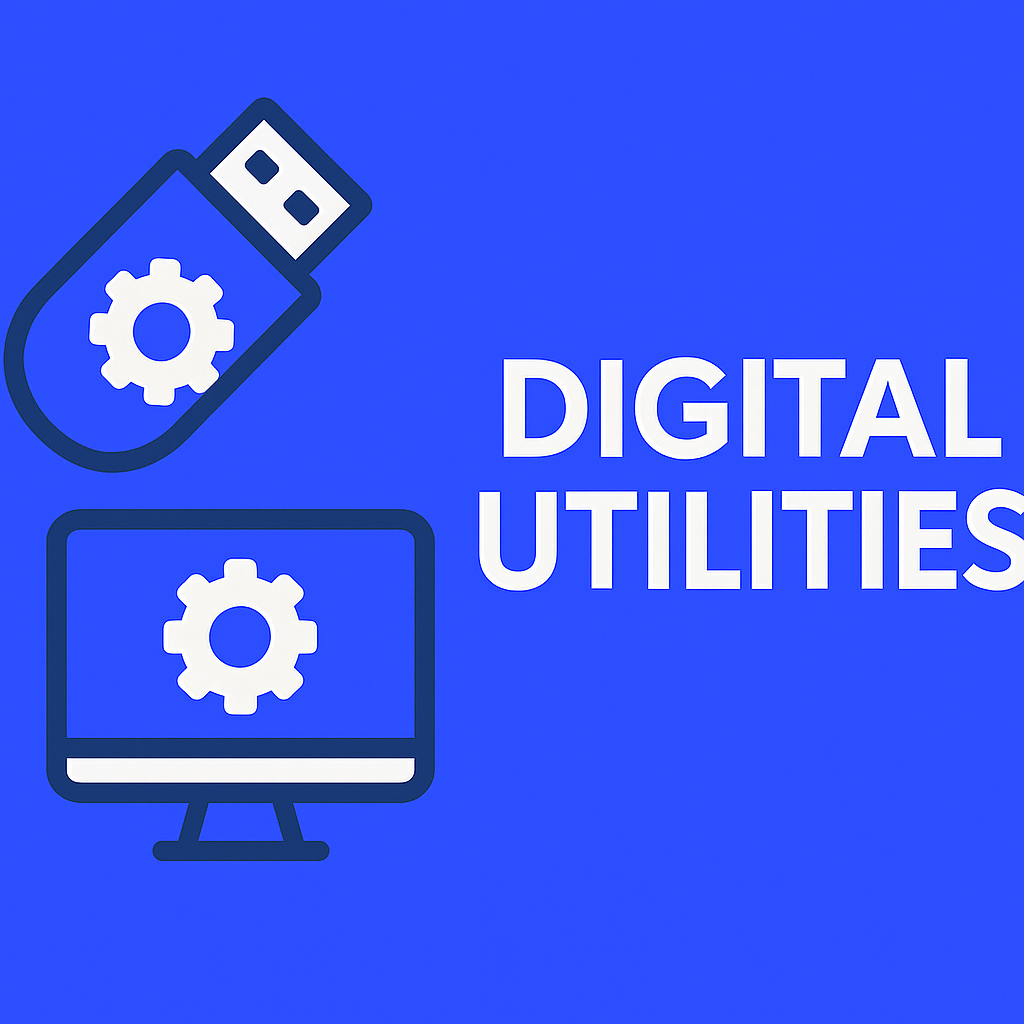
5. Software & Digital Utilities

Scripts, plugins, apps, automation tools, and AI-based resources. Typically higher-priced and skill-based.
chatgpt image dec 14, 2025, 10 13 31 pm

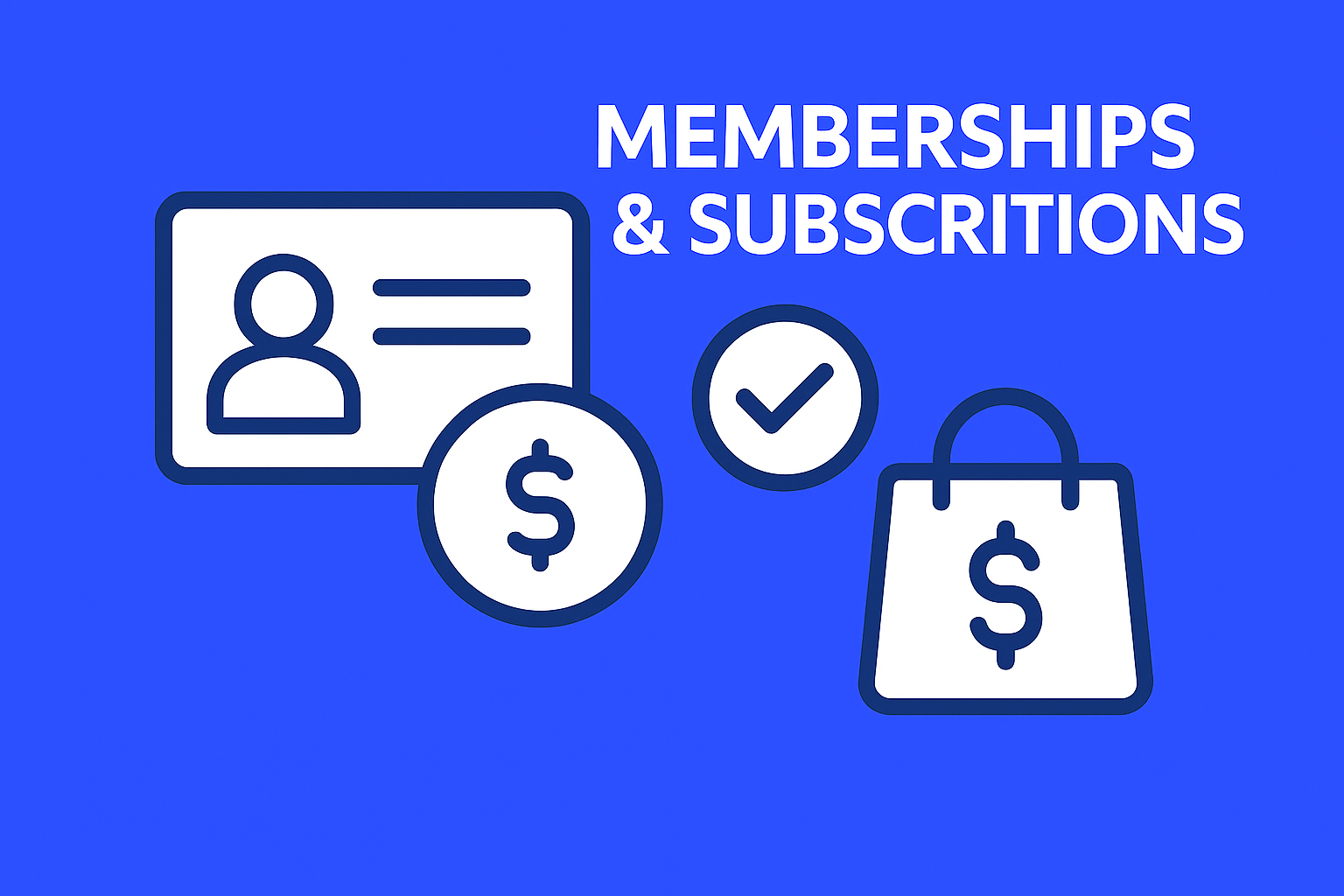
6. Memberships & Subscriptions

Recurring income through gated content, premium communities, or exclusive resources.
Earning Potential

Seller LevelProduct QualityTypical PricingMonthly RangeExamples
BeginnerSimple digital files$5–$15$50–$300Planners, checklists
IntermediatePolished products$15–$50$300–$1,500Templates, mini-courses
AdvancedHigh-value assets$50–$200$2,000–$5,000Full courses, bundles
Top PerformerBrand authority$200+$5,000+Memberships, premium tools

Who Digital Selling Is Good For

Digital selling is ideal for people who want scalable, flexible income rather than hourly pay. It suits creators, educators, freelancers transitioning into passive income, bloggers, designers, developers, and anyone with knowledge or skills that can be packaged.

It works especially well for people who enjoy building systems, refining products, and improving long-term assets rather than chasing daily tasks.

Who Should Avoid Digital Selling

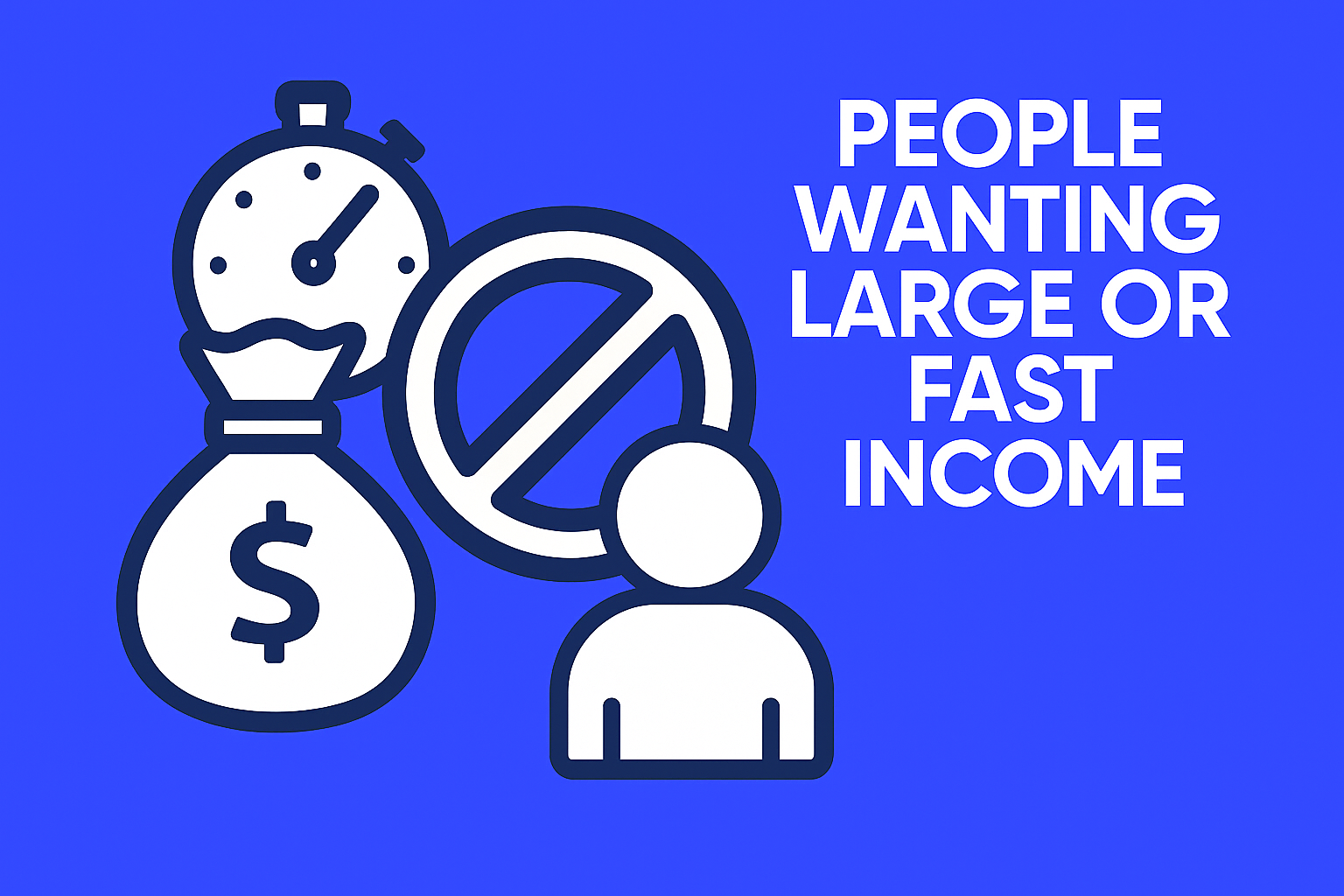
  • People Wanting Instant Income
    Digital selling takes time to build. Sales grow with trust, visibility, and testing.

  • People Who Don’t Want to Create or Improve Products
    Digital products require refinement, updates, and feedback-based improvements.

chatgpt image dec 7, 2025, 06 51 54 pm

People Wanting Instant Income

chatgpt image dec 7, 2025, 06 55 46 pm

People Expecting Passive Income Immediately
chatgpt image dec 7, 2025, 06 58 11 pm

People Who Don’t Want to Create or Improve Products
chatgpt image dec 7, 2025, 07 06 12 pm

People Who Don’t Want to Create or Improve Products

  • People Expecting Passive Income Immediately
    Automation comes later. Early stages require effort in creation and marketing.

  • People Unwilling to Learn Tools
    Basic skills like design, content creation, marketing, or platform setup are essential.

Myth vs Reality: Digital Selling

Myth: “Digital selling is easy passive income.”
Reality: It requires strategy, testing, and product-market fit.

Myth: “One product guarantees success.”
Reality: Most sellers improve through iterations and multiple launches.

Myth: “You need to be famous.”
Reality: Niche audiences convert better than mass audiences.

Is Digital Selling Worth It Long-Term?

Digital selling can be worth it long-term — but only if you understand what it truly is and what it is not. It is not a get-rich-quick model, and it is not passive from day one. Digital selling rewards people who are willing to build value, learn continuously, and think in years rather than days.

The biggest long-term advantage of digital selling is leverage. Unlike freelancing or micro-tasks where income stops the moment you stop working, digital products can be sold repeatedly once they are created. A single well-built product — such as an ebook, template, course, design pack, or digital tool — can generate income for months or even years with ongoing improvements. Over time, this allows your effort to compound instead of resetting every day.

Another major benefit is control. You choose what to sell, how to price it, where to sell it, and how to market it. There is no boss, no fixed schedule, and no income ceiling imposed by hourly limits. As your skills improve, you can create better products, raise prices, bundle offers, or build multiple income streams from the same audience.

chatgpt image dec 12, 2025, 10 41 00 am

Digital selling also builds transferable assets. Your product library, brand, email list, landing pages, and audience trust all become long-term resources. These assets can later support other income paths such as consulting, coaching, affiliate marketing, or even launching a full business. Very few online income models provide this level of long-term flexibility.

However, digital selling is not effortless. In the beginning, progress is slow. You must research markets, test ideas, refine products, handle feedback, and learn basic marketing skills. Many people quit too early because results don’t come immediately. Long-term success belongs to those who iterate instead of chasing shortcuts.

Digital selling is most worth it for people who enjoy creating, improving, and building systems. If you treat it as a real business — not a gamble — it becomes one of the most scalable and sustainable online income models available today.

With patience, discipline, and the right guidance, digital selling can evolve from a side income into a long-term financial foundation.

Scam Warning Signs

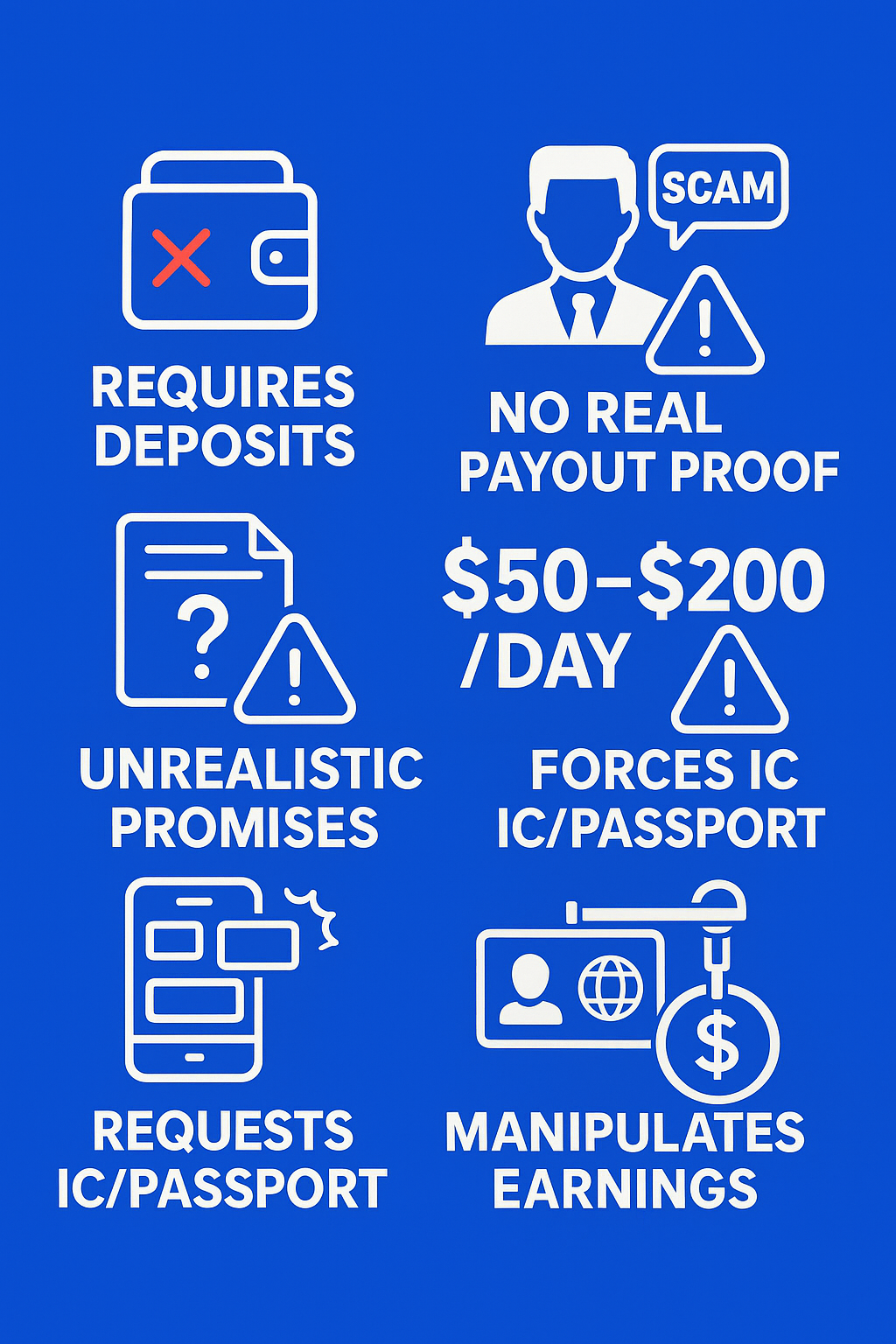
Digital selling offers real opportunities, but it also attracts scammers who target beginners, creators, and people eager to earn online. These scams often look professional — with polished websites, fake testimonials, and exaggerated income claims — which makes understanding the warning signs critical.

One major red flag is any platform or “mentor” asking for upfront fees just to unlock selling features, payouts, or “exclusive systems.” Legitimate digital marketplaces make money through transparent commissions or platform fees, not by charging sellers before any real sales occur. If payment is required before value is delivered, it’s a strong sign of a scam.

Another danger sign is unrealistic income promises, such as “earn $1,000 in 24 hours with one product” or “guaranteed passive income.” Digital selling takes time, testing, and audience trust. There are no guaranteed results, and anyone promising certainty is manipulating expectations.

chatgpt image dec 7, 2025, 09 16 13 pm

Be cautious of fake success proof. Scammers often show edited dashboards, vague screenshots, or testimonials without verifiable product links or customer reviews. Real digital sellers can point to live products, public platforms, and consistent buyer feedback.

Avoid systems that hide the real product or strategy. If the focus is more on recruiting others, buying “levels,” or reselling the same course rather than selling real digital products to real customers, it’s not digital selling — it’s a disguised pyramid scheme.

Lastly, never share sensitive personal or financial information outside trusted platforms. Legitimate digital selling tools do not ask for full identification, banking access, or private credentials during early stages.

Final Thoughts

Digital selling is one of the most powerful long-term income models online — but only when approached realistically. It is not a shortcut to instant wealth. It is a skill-based, value-driven process that rewards patience, consistency, and improvement over time.

The true strength of digital selling lies in leverage. When you create something valuable, you are building an asset — not just completing a task. Each product, update, and improvement compounds your effort, allowing income to grow without trading more hours.

chatgpt image dec 12, 2025, 11 14 00 am

However, success requires responsibility. You must learn how to create useful products, communicate clearly, price fairly, and market ethically. Income may start slow, but sellers who stay disciplined often build stable, scalable businesses that outperform traditional side hustles.

Digital selling works best for people willing to think long-term, learn continuously, and avoid hype. With the right mindset — and guidance from BuckDuit — you can avoid scams, focus on real value, and build digital products that genuinely pay.

Freelancing & Digital Selling

untitled 14